Introduction
The term “hunter eyes” has gained significant attention in recent years, especially across social media, beauty discussions, and facial aesthetics communities. It is often used to describe a specific eye shape that is considered attractive, intense, and confident. While the phrase might sound modern or even trendy, the concept behind hunter eyes is deeply rooted in human perception, biology, and aesthetic preferences that have evolved over time.
People are increasingly curious about what hunter eyes actually mean, how they differ from other eye shapes, and whether they can be developed or enhanced. This growing interest reflects a broader fascination with facial symmetry, attractiveness, and non-verbal communication. Eyes play a powerful role in how individuals are perceived, and subtle variations in shape and positioning can influence impressions of confidence, strength, and charisma.
In this comprehensive guide, we will explore the meaning of hunter eyes in depth, examine their defining characteristics, and understand why they are often associated with attractiveness. We will also look at the science behind facial features, common misconceptions, and practical insights into enhancing your natural appearance. By the end of this article, you will have a complete understanding of hunter eyes and their significance in modern aesthetics.
What Are Hunter Eyes?
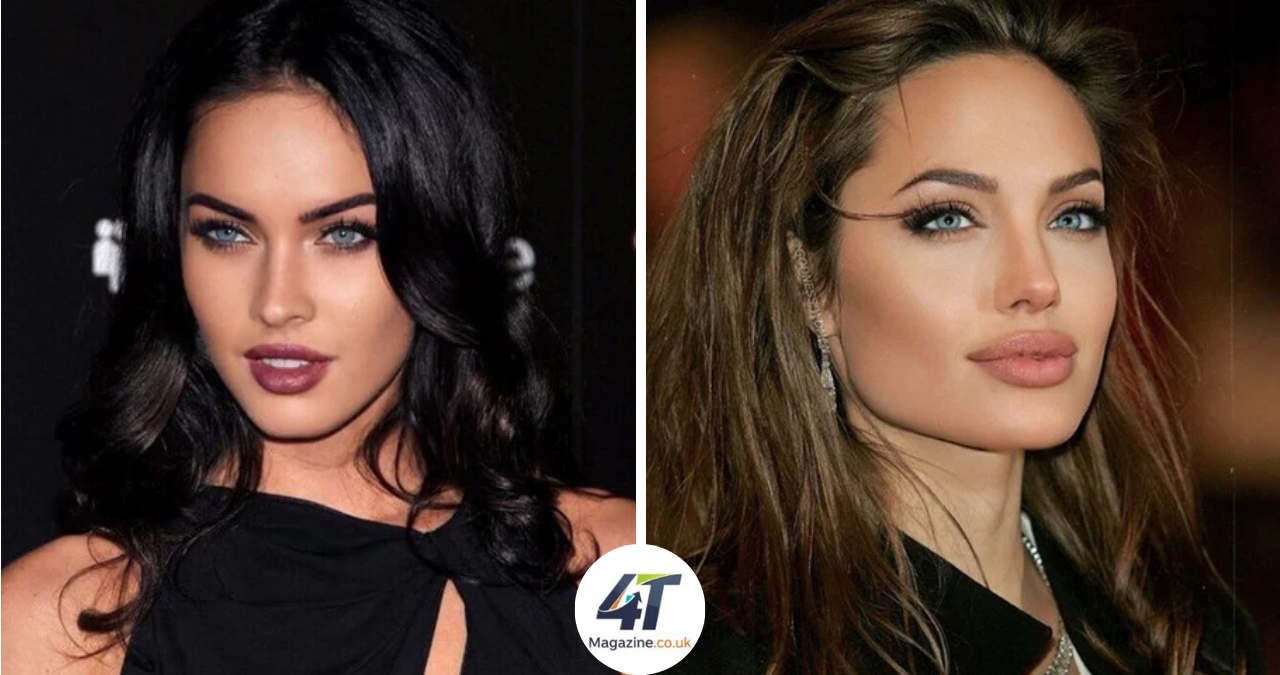
Hunter eyes refer to a specific eye shape characterized by a narrow, elongated appearance with a slight downward tilt of the upper eyelid toward the outer corner. This creates a focused, intense look that is often perceived as confident and dominant. The term contrasts with what some describe as “prey eyes,” which are typically rounder, more open, and convey a softer or more approachable expression.
The concept of hunter eyes is not a scientific classification but rather a descriptive term popularized in online communities. Despite its informal origins, it has become widely recognized as a way to describe a particular aesthetic ideal.
The defining quality of hunter eyes lies in the balance between the eyelids, brow ridge, and overall facial structure. When these elements align in a certain way, they create a look that appears sharp and controlled. This visual effect often leads people to associate hunter eyes with traits such as confidence, focus, and determination.
It is important to note that hunter eyes are not limited to any specific gender or ethnicity. While they are often highlighted in discussions about male attractiveness, individuals of all backgrounds can naturally possess this eye shape.
Key Characteristics of Hunter Eyes
Understanding hunter eyes requires a closer look at their defining features. These characteristics work together to create the overall appearance that people recognize as this particular eye type.
One of the most noticeable traits is the almond shape. Hunter eyes are typically longer horizontally than they are tall vertically. This creates a streamlined look that differs from rounder eye shapes.
Another important feature is the low upper eyelid exposure. In hunter eyes, the upper eyelid is often partially covered, either by the brow ridge or by the natural positioning of the eyelid itself. This reduces the visible space between the eyelashes and the eyebrow, contributing to a more intense gaze.
The angle of the eyes also plays a significant role. Hunter eyes often have a slight downward tilt from the inner corner to the outer corner. This subtle angle enhances the focused appearance and gives the eyes a more serious expression.
A prominent brow ridge is commonly associated with hunter eyes. The brow sits relatively low and close to the eyes, creating a shadowed effect that adds depth and intensity. This feature is often linked to perceived masculinity and strength, although it can appear in various forms across different individuals.
Tight lower eyelids are another characteristic. In hunter eyes, the lower eyelid appears firm and well-supported, without excessive sagging or puffiness. This contributes to a sharp and alert look.
Together, these features create a cohesive appearance that many people find attractive and compelling.
Hunter Eyes vs Other Eye Shapes
To fully appreciate hunter eyes, it is helpful to compare them with other common eye shapes. This comparison highlights the unique qualities that set them apart.
Round eyes are characterized by a larger vertical opening and a more circular appearance. They often convey openness, friendliness, and approachability. In contrast, hunter eyes appear narrower and more controlled, which can give a more serious or intense impression.
Wide-set eyes are positioned farther apart on the face, while close-set eyes are positioned closer together. Hunter eyes can exist within either category, but their defining feature remains the shape and tilt rather than the spacing.
Upturned eyes have an outer corner that sits higher than the inner corner, creating a lifted appearance. Hunter eyes, on the other hand, typically have a more neutral or slightly downward tilt, which contributes to their distinctive look.
Hooded eyes, where excess skin partially covers the eyelid, can sometimes resemble hunter eyes. However, the key difference lies in the overall structure and alignment with the brow. Not all hooded eyes qualify as hunter eyes, but there can be overlap in appearance.
These comparisons demonstrate that hunter eyes are not simply about one feature but rather a combination of elements that work together to create a specific aesthetic.
The Science Behind Facial Attractiveness
The appeal of hunter eyes is closely tied to broader principles of facial attractiveness. While beauty standards can vary across cultures and time periods, certain patterns tend to remain consistent.
Symmetry is one of the most important factors. Faces that are more symmetrical are generally perceived as more attractive because they signal genetic health and stability. Hunter eyes often align well with symmetrical facial structures, enhancing their appeal.
Proportions also play a crucial role. The relationship between the eyes, nose, mouth, and other facial features contributes to overall harmony. Hunter eyes can complement these proportions by adding definition and balance.
Another key aspect is sexual dimorphism, which refers to differences between male and female facial features. Traits such as a strong brow ridge and narrower eyes are often associated with masculinity, while softer, rounder features are associated with femininity. Hunter eyes are frequently linked to masculine traits, although they can be present in individuals of any gender.
Evolutionary psychology suggests that certain features may be perceived as attractive because they signal desirable qualities such as strength, health, and confidence. The intense gaze associated with hunter eyes may subconsciously communicate these traits.
It is important to remember that attractiveness is subjective and influenced by cultural and personal preferences. While hunter eyes are often admired, they are just one of many factors that contribute to a person’s overall appearance.
Cultural Influence and Popularity
The rise in popularity of hunter eyes can be largely attributed to social media and online communities. Platforms where people share images and discuss aesthetics have played a significant role in spreading the concept.
Celebrities and public figures who possess similar eye shapes have also contributed to the trend. Their visibility reinforces the idea that hunter eyes are desirable and worth emulating.
In addition, the growing interest in self-improvement and personal appearance has led many individuals to explore ways to enhance their features. Hunter eyes have become a focal point in discussions about facial aesthetics, alongside topics such as jawline definition and skin quality.
Cultural perceptions of beauty continue to evolve, and trends like hunter eyes reflect changing ideals. While they may be particularly popular at the moment, it is likely that new concepts will emerge over time as preferences shift.
Can You Develop Hunter Eyes Naturally?
A common question is whether hunter eyes can be developed or enhanced naturally. While genetics play a major role in determining eye shape, there are certain factors that can influence appearance.
Posture and facial habits can have a subtle impact. Maintaining good posture, especially in the neck and head, can affect how the face is perceived. Similarly, reducing habits that cause facial tension may help create a more relaxed and balanced look.
Body fat percentage can also influence facial definition. Lower levels of body fat may make features such as the brow ridge and cheekbones more prominent, which can enhance the appearance of the eyes.
Sleep quality and overall health are important as well. Adequate rest helps reduce puffiness and dark circles, contributing to a clearer and more alert look.
However, it is important to set realistic expectations. Natural changes are usually subtle and may not dramatically alter eye shape. Embracing your unique features is essential, as every face has its own strengths and character.
Cosmetic and Styling Approaches
For those interested in enhancing the appearance of hunter eyes, there are various cosmetic and styling techniques that can help.
Makeup can be a powerful tool. Techniques such as contouring around the eyes and using darker shades on the outer corners can create the illusion of a more elongated shape. Eyeliner styles that extend outward can also emphasize the horizontal length of the eyes.
Eyebrow grooming plays a significant role. A well-shaped brow that sits closer to the eyes can enhance the overall effect. Thicker, straighter brows are often associated with the hunter eyes look.
Hairstyles can influence facial perception as well. Styles that frame the face and draw attention to the eyes can make them appear more prominent.
Lighting and photography angles are also important in visual presentation. Slight adjustments in angle and lighting can highlight certain features and create a more defined appearance.
For individuals considering medical options, procedures such as eyelid surgery or brow adjustments exist. However, these should be approached with caution and professional guidance, as they involve significant considerations and risks.
Common Misconceptions About Hunter Eyes
Despite their popularity, there are several misconceptions about hunter eyes that need to be addressed.
One common belief is that hunter eyes are the only attractive eye shape. This is not true. Beauty comes in many forms, and different eye shapes can be equally appealing in their own way.
Another misconception is that hunter eyes guarantee confidence or success. While they may contribute to certain perceptions, personality and behavior play a much larger role in how a person is perceived.
Some people also believe that hunter eyes can be easily achieved through simple exercises or quick fixes. In reality, significant changes to eye shape are limited without medical intervention.
It is also important to avoid comparing oneself too harshly to others. Social media often presents curated and edited images that may not reflect reality.
Understanding these misconceptions helps create a more balanced and realistic perspective.
Psychological Impact and Perception
The way eyes are perceived can have a psychological impact on both the individual and others. Hunter eyes are often associated with traits such as confidence, dominance, and focus. These associations can influence how a person is treated in social and professional settings.
For example, individuals with more intense eye shapes may be perceived as more assertive or authoritative. This can affect interactions and opportunities in subtle ways.
At the same time, self-perception plays a crucial role. How a person feels about their own appearance can influence their confidence and behavior. Developing a positive self-image is essential for overall well-being.
It is important to recognize that physical features are just one aspect of identity. True confidence comes from a combination of self-awareness, skills, and personal growth.
Embracing Your Natural Features
While it is natural to be curious about trends like hunter eyes, it is equally important to appreciate your own unique features. Every face has its own combination of traits that contribute to individuality.
Rather than striving to fit a specific ideal, focusing on overall health, grooming, and self-confidence can have a more meaningful impact. Small improvements in skincare, posture, and lifestyle can enhance natural beauty without the need for drastic changes.
Confidence is often more attractive than any single physical feature. When you feel comfortable in your own skin, it reflects in your expressions and interactions.
By embracing your natural appearance, you can develop a sense of authenticity that goes beyond trends and external standards.
Conclusion
Hunter eyes have become a widely discussed concept in the world of facial aesthetics, representing a specific eye shape that is often associated with intensity, confidence, and attractiveness. While the term itself is relatively modern, the principles behind it are rooted in long-standing ideas about facial structure and perception.
Throughout this guide, we have explored the defining characteristics of hunter eyes, compared them with other eye shapes, and examined the science and cultural influences behind their appeal. We have also addressed common misconceptions and provided practical insights into enhancing appearance in a balanced and realistic way.
Ultimately, hunter eyes are just one aspect of the diverse range of human features. While they may be admired by many, true attractiveness is a combination of physical traits, personality, and self-confidence. Understanding this broader perspective allows you to appreciate both the concept of hunter eyes and your own unique qualities.
By focusing on overall well-being and embracing individuality, you can cultivate a sense of confidence that goes far beyond any single trend.