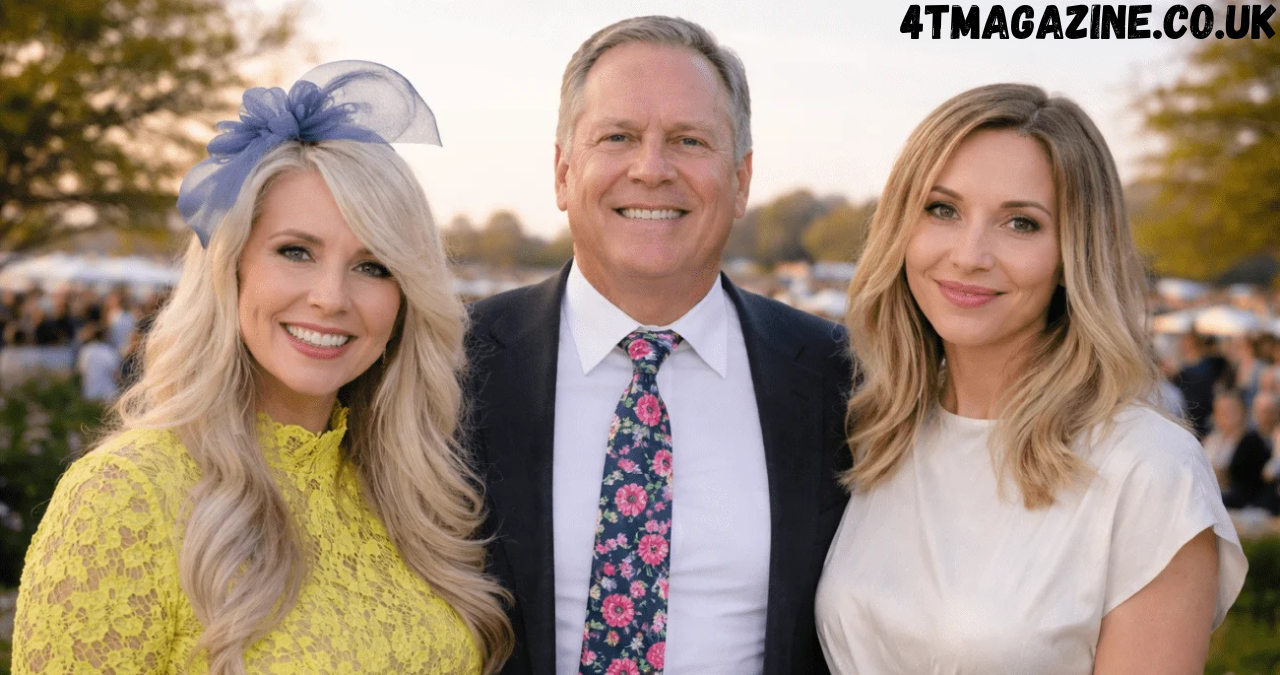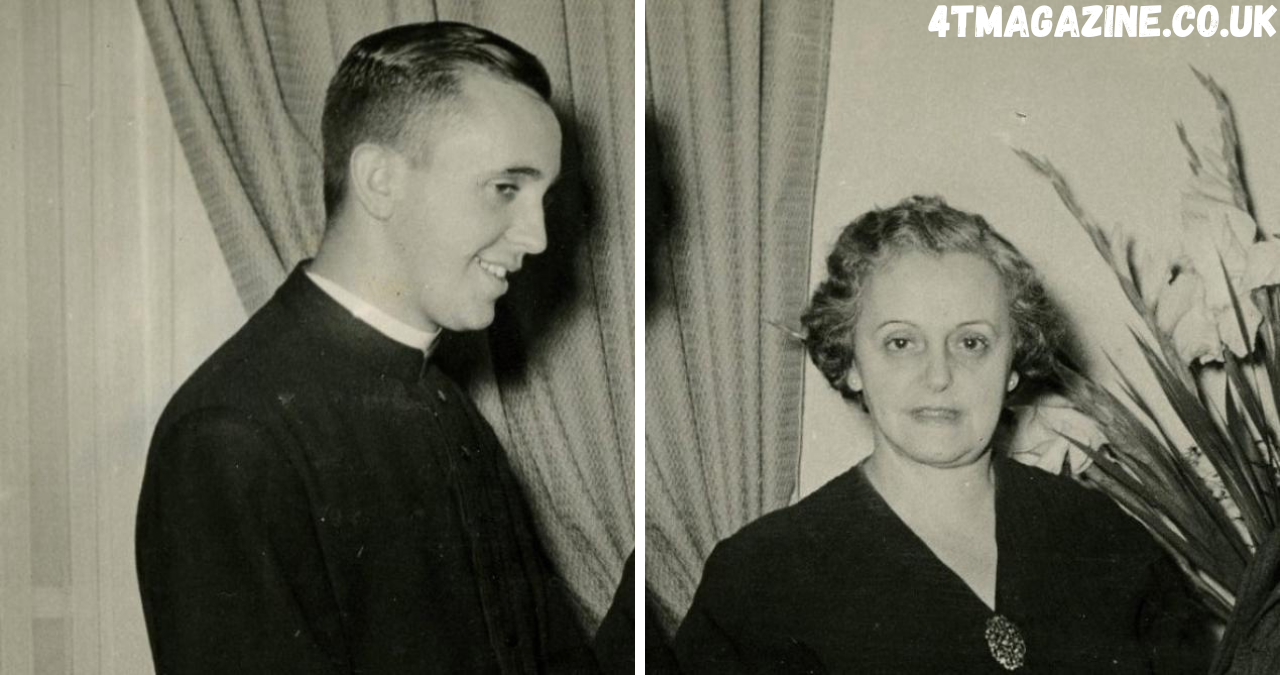
Regina Maria Sivori is widely known as the mother of Pope Francis, born Jorge Mario Bergoglio, and her life story is deeply connected to one of the most influential religious leaders of the modern era. She was born into a family of Italian immigrants in Argentina and lived a life shaped by faith, simplicity, and strong family values. While she did not hold a public role, her influence is remembered through the global impact of her son. Historical accounts confirm that she raised five children, including Jorge, in a modest Catholic household in Buenos Aires, where discipline, humility, and compassion were central values .
Her importance has grown significantly since 2013, when her son became Pope Francis. As interest in his background increased, so did curiosity about Regina Maria Sivori and the family environment that shaped him. She is often described as a devoted homemaker who played a central role in nurturing her children in a deeply religious setting. Her Italian roots and Argentine upbringing reflect a blend of cultures that influenced her parenting style and worldview. Through her life, she represents the story of thousands of immigrant mothers in Argentina who built strong families despite economic challenges.
Even though she lived away from public attention, Regina Maria Sivori remains an important historical figure in understanding Pope Francis’ early life and moral foundation. Her legacy continues through the values of humility and service that her son promotes globally.
Early Life and Family Background of Regina Maria Sivori
Regina Maria Sivori was born in Argentina to parents of Italian origin, part of a large wave of immigration from northern Italy to South America during the early 20th century. Her family background is believed to trace back to regions such as Liguria and Piedmont, which were common sources of migration to Argentina during that period. This cultural heritage played a significant role in shaping her identity, combining traditional Italian customs with Argentine social life. She grew up in a community where Catholicism was deeply rooted in daily life, influencing her moral values from an early age.
The Sivori family, like many immigrant families, experienced economic challenges but maintained strong family unity. Regina’s upbringing was centered around discipline, faith, and resilience, qualities that later became visible in how she raised her own children. The cultural environment in which she lived emphasized respect for elders, religious participation, and strong familial bonds. These traditions were passed down through generations and became an important part of the household she later created with Mario José Bergoglio.
Her marriage to Mario José Bergoglio, also of Italian descent, further strengthened this cultural continuity. Together, they formed a family rooted in immigrant values and Catholic tradition. Their shared background helped them navigate life in Buenos Aires, where many immigrant families worked hard to build stable lives. Regina’s early life thus laid the foundation for the deeply values-driven household she would later establish.
Marriage, Motherhood, and Family Life in Buenos Aires
Regina Maria Sivori married Mario José Bergoglio, and together they built a modest but closely bonded family in Buenos Aires. Their household reflected the reality of many immigrant families in Argentina during the mid-20th century—simple living conditions, strong faith, and a focus on education and moral upbringing. Mario worked in the railway sector, while Regina dedicated herself to raising their five children. This division of responsibilities was typical of the era and allowed her to focus entirely on nurturing the family environment.
As a mother of five, Regina played a central role in shaping the emotional and moral foundation of her children. Historical biographies note that she ensured a structured household where religious practice, discipline, and kindness were everyday values . Family life revolved around shared meals, prayer, and strong interpersonal connections. These practices created a stable environment that deeply influenced Jorge Mario Bergoglio, who would later become Pope Francis.
Her parenting style is often described as firm yet compassionate. She encouraged humility and respect while also fostering independence in her children. Living in a working-class neighborhood of Buenos Aires, the family faced financial limitations, but Regina managed the household with creativity and resilience. Her ability to maintain emotional stability in the home became one of the defining aspects of her legacy.
Through her dedication, Regina Maria Sivori became the emotional center of the Bergoglio family. Her role as a mother not only shaped her children’s personal development but also contributed indirectly to the spiritual values that would later define the global leadership of Pope Francis.
Influence on Pope Francis and His Spiritual Formation
One of the most significant aspects of Regina Maria Sivori’s legacy is her influence on her eldest son, Jorge Mario Bergoglio, who became Pope Francis. From childhood, he was exposed to a deeply religious household where prayer, humility, and compassion were central principles. Regina ensured that her children were raised with a strong moral compass, rooted in Catholic teachings and everyday acts of kindness.
Although Pope Francis has often spoken more publicly about his grandmother’s spiritual influence, his mother’s role in maintaining the family’s emotional and moral structure was equally important. She created a home environment where faith was not only practiced in church but also lived through daily actions such as helping neighbors, respecting others, and valuing simplicity. These early experiences contributed significantly to the Pope’s lifelong commitment to social justice and humility.
Regina’s influence can also be seen in Pope Francis’ emphasis on compassion for the poor and marginalized. Growing up in a modest household helped him understand hardship firsthand, shaping his later views on inequality and human dignity. Her values are reflected in his leadership style, which often prioritizes simplicity and service over luxury or power.
In this way, Regina Maria Sivori’s legacy extends far beyond her own life. Through her son’s global role, her teachings and values have indirectly reached millions of people across the world. She remains a symbolic figure representing the power of maternal influence in shaping moral and spiritual leadership.
Later Life, Passing, and Historical Legacy

Regina Maria Sivori spent her later years continuing her quiet family life in Argentina. She witnessed much of her son’s early journey into the priesthood but passed away in 1981, long before he became Pope. Her death marked the end of an era for the Bergoglio family, but her influence continued through her children and grandchildren.
Despite living away from public attention, her legacy gained renewed recognition when Jorge Mario Bergoglio was elected Pope in 2013. Since then, historians and religious commentators have often highlighted her role in shaping one of the most influential religious figures of the modern world. She is frequently described as a symbol of immigrant resilience, maternal dedication, and strong Catholic values.
Her life also represents the broader experience of Italian immigrants in Argentina, many of whom worked hard to preserve their cultural identity while adapting to a new country. Regina’s story reflects the quiet strength of women who played essential roles in building families and communities without public recognition.
Today, she is remembered not only as the mother of Pope Francis but also as a figure who represents the foundations of faith, humility, and family unity. Her legacy continues through the global impact of her son’s teachings and leadership.
Conclusion
Regina Maria Sivori may not be a public historical figure in her own right, but her influence is deeply embedded in modern religious history through her son, Pope Francis. Her life as a devoted mother in a modest immigrant family reflects values of humility, faith, and resilience. These values shaped the environment in which one of the world’s most influential spiritual leaders was raised.
Her story highlights the importance of family upbringing in shaping character and leadership. Through her dedication and moral guidance, she contributed to the foundation of a papacy that emphasizes compassion, simplicity, and service to humanity. Regina Maria Sivori’s legacy continues to live on through these principles, making her an important figure in understanding the personal history behind Pope Francis.
FAQs
1. Who was Regina Maria Sivori in Pope Francis’ biography?
Regina Maria Sivori was the mother of Pope Francis and played a key role in his early upbringing in a Catholic, immigrant family in Argentina.
2. What is the origin of Regina Maria Sivori?
She came from an Italian immigrant family in Argentina, with roots connected to northern Italy.
3. How did Regina Maria Sivori influence Pope Francis’ values?
Her emphasis on humility, faith, and compassion helped shape the moral and spiritual foundation of Pope Francis.
4. How many children did Regina Maria Sivori have?
She had five children, with Jorge Mario Bergoglio (Pope Francis) being the eldest.
5. Why is Regina Maria Sivori important in historical context?
She is significant because her upbringing and values influenced the life of Pope Francis, one of the most influential religious leaders in the world.