Jememôtre is an emerging conceptual term that has captured attention in digital culture, creative writing, and modern philosophical discussions. Although it is not officially recognized in traditional dictionaries, it is widely interpreted as a symbolic expression of self-reflection, inner measurement, and identity awareness. The term carries a French-inspired structure, often linked to ideas such as “I measure myself” or “I define myself internally,” making it both poetic and philosophical in nature. In today’s fast-paced digital environment, where external validation dominates human behavior, jememôtre introduces a refreshing shift toward inward focus and personal alignment.
At its core, jememôtre reflects the growing need for individuals to reconnect with themselves beyond social comparison. People increasingly feel defined by metrics such as likes, followers, productivity scores, and digital visibility. Against this backdrop, jememôtre becomes more than just a word—it becomes a mindset. It represents the act of observing one’s thoughts, emotions, and identity without judgment, while measuring personal growth based on internal values rather than external approval. This makes it especially relevant in discussions around mental well-being, mindfulness, emotional intelligence, and modern identity formation.
The concept also resonates deeply with creators, writers, and thinkers who use it as a framework for expressing authenticity. Instead of presenting a fixed identity, jememôtre encourages fluid self-awareness—an ongoing conversation between who we are and who we are becoming. It blends philosophy, psychology, and digital culture into a single evolving idea. As language continues to adapt to modern emotional experiences, jememôtre stands as an example of how new words emerge to describe feelings that existing vocabulary cannot fully capture.
The Linguistic Origins and Conceptual Foundation of Jememôtre
The word jememôtre appears to be inspired by French linguistic elements, combining reflexive and expressive structures such as “je me,” meaning “I myself,” with variations of “mètre,” “maître,” or “montrer,” which relate to measuring, mastering, or showing. This combination creates multiple interpretive possibilities, including “I measure myself,” “I show myself,” or “I understand myself internally.” Although it is not an official French dictionary word, its construction feels natural due to its linguistic familiarity and emotional resonance.
What makes jememôtre particularly interesting is that it does not have a single fixed meaning. Instead, it exists as a conceptual hybrid, shaped by how individuals use and interpret it. In modern writing, it is often described as a symbolic expression of internal evaluation—where a person becomes both the observer and the subject of their own awareness. This dual role emphasizes introspection, encouraging individuals to step outside automatic reactions and instead observe their emotional and cognitive processes consciously.
From a philosophical perspective, jememôtre connects with long-standing ideas in existentialism and self-awareness. Thinkers have long explored how humans construct identity through perception, experience, and social reflection. Jememôtre extends this idea into a modern context, where identity is not only socially constructed but also digitally performed. In this sense, it bridges classical philosophy with contemporary digital behavior, making it relevant to modern identity studies.
Jememôtre in Digital Culture and Social Identity
In today’s digital ecosystem, identity is constantly shaped by external feedback loops. Social media platforms encourage individuals to present curated versions of themselves, often influenced by likes, shares, and engagement metrics. Within this environment, jememôtre emerges as a counter-narrative—one that emphasizes internal validation over external approval.
It reflects a growing cultural awareness that constant comparison can distort self-perception. Instead of asking how others perceive us, jememôtre encourages a shift toward asking how we perceive ourselves. This shift is subtle but powerful, as it moves focus away from performance-based identity toward authentic self-understanding. Many interpret jememôtre as a mental practice of pausing and evaluating emotional states before reacting to external stimuli.
Digital creators and artists often adopt this concept to describe their creative process. Rather than producing content solely for engagement, they use jememôtre as a reminder to align their work with personal meaning and emotional truth. In this way, the concept becomes both a creative philosophy and a personal grounding tool in an increasingly performance-driven online world.
Psychological and Emotional Dimensions of Jememôtre
Psychologically, jememôtre aligns with practices of mindfulness, metacognition, and emotional regulation. It encourages individuals to observe their internal states—thoughts, emotions, and reactions—without immediately labeling them as good or bad. This non-judgmental awareness allows for deeper emotional clarity and improved self-understanding.
One of the most important aspects of jememôtre is its focus on inner calibration. Instead of measuring success through external achievements, individuals are encouraged to evaluate alignment with personal values and emotional well-being. This can lead to greater resilience, reduced anxiety, and improved decision-making.
However, like any introspective practice, jememôtre must be approached with balance. Excessive self-analysis can sometimes lead to overthinking or emotional fatigue. When practiced mindfully, though, it becomes a powerful tool for personal growth, helping individuals develop a stable and authentic sense of identity in a constantly changing world.
Jememôtre in Creativity, Art, and Expression
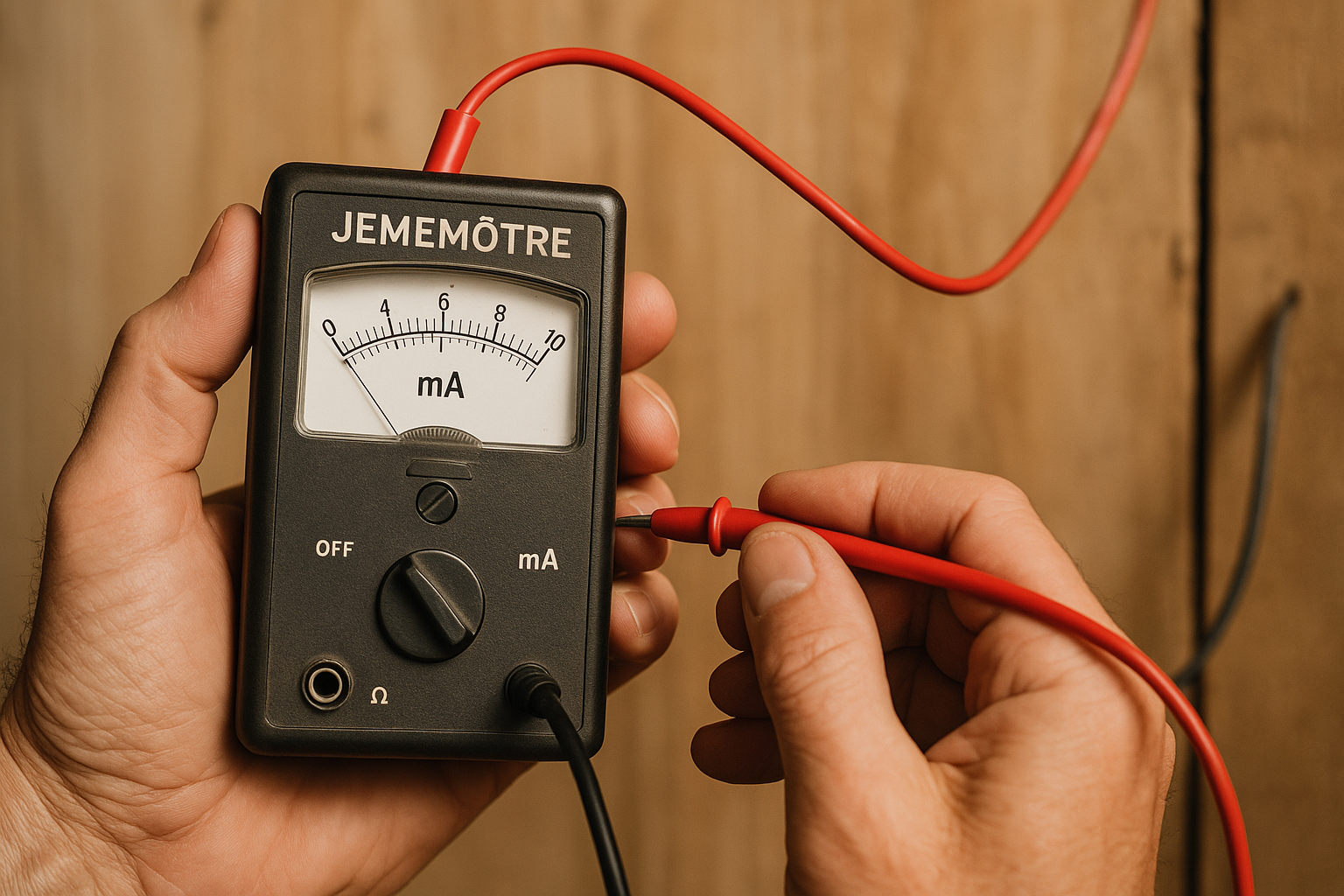
In creative fields, jememôtre is often used as both a method and a theme. Artists and writers interpret it as a way to explore identity through evolving expression rather than fixed representation. Instead of creating static portraits or rigid narratives, they focus on fluid, changing interpretations of the self.
Digital art, generative design, and interactive installations are especially aligned with this idea. These mediums allow identity to shift over time, mirroring the internal process of self-discovery that jememôtre represents. In writing, the concept often appears in reflective essays, poetry, and conceptual storytelling that emphasizes emotional depth over surface-level description.
Ultimately, jememôtre in art represents transformation. It is not just about showing who someone is, but about exploring how identity changes across time, experience, and emotional states.
Jememôtre vs Other Self-Reflection Concepts
Although jememôtre shares similarities with mindfulness, journaling, and self-awareness practices, it is distinct in its emphasis on measurement and identity calibration. Mindfulness focuses on present-moment awareness, while journaling emphasizes documentation of thoughts. Jememôtre, however, combines observation with evaluation, creating a reflective loop where individuals continuously adjust their understanding of self.
It is less about structured practice and more about an ongoing mindset. This makes it more flexible but also more abstract than traditional psychological tools. Its poetic nature allows individuals to interpret it in ways that best fit their personal experiences.
Conclusion
Jememôtre is more than just a word—it is a reflection of modern identity struggles in a digital age dominated by comparison and performance. It represents the growing desire to shift focus inward, toward emotional authenticity and self-defined meaning. As language evolves alongside human experience, concepts like jememôtre emerge to fill the gaps left by traditional vocabulary.