
Ann-Lorraine Carlsen is a name that appears in various informational and archival contexts, often drawing interest from researchers, genealogists, and individuals exploring historical records. While not widely recognized as a mainstream public figure, the name itself represents how personal identities can surface in fragmented records across databases, official documents, and historical listings. In many cases, names like Ann-Lorraine Carlsen gain attention not because of celebrity status, but due to their presence in searchable archives that connect to legal, demographic, or genealogical documentation. This makes the subject both intriguing and challenging to analyze in depth, especially when verified biographical data is limited.
In digital and historical research environments, names often function as entry points into broader investigations. The name Ann-Lorraine Carlsen may appear in different formats or record systems depending on the source, which can include variations in spelling, hyphenation, or indexing styles. These inconsistencies can lead to multiple interpretations of identity, especially when records are digitized from older physical archives. Researchers must therefore approach such names with caution, ensuring that they are not conflating different individuals who share similar identifiers.
The significance of studying a name like Ann-Lorraine Carlsen lies in understanding how information is preserved, categorized, and retrieved in modern data systems. Even when limited information is available, the presence of a name in structured records highlights its role within administrative, historical, or genealogical frameworks. This makes it an important example of how identity is documented over time, even without widespread public recognition or media presence.
2. Public Records and Archival Presence
The name Ann-Lorraine Carlsen may appear in various public record systems, which typically include government databases, historical registries, census documentation, and legal filings. These records are often the primary source of information when researching individuals who do not have extensive media coverage or public biographies. In such cases, the data may be limited to basic identifiers such as name, location references, or administrative entries. This makes public records both valuable and incomplete at the same time, as they provide structure without always offering detailed context.
One of the key challenges in working with names like Ann-Lorraine Carlsen is distinguishing between individuals who may share similar or identical names. Public databases often contain overlapping entries, especially when records span multiple decades or geographic regions. Without additional identifying details, researchers may struggle to confirm whether records refer to the same person or different individuals with coincidental name matches. This is a common issue in genealogical and archival research, where accuracy depends heavily on cross-referencing multiple data points.
Digitization of historical records has made it easier to search for names like Ann-Lorraine Carlsen, but it has also introduced new complexities. Automated indexing systems may misinterpret formatting variations, leading to duplicated or fragmented entries. As a result, researchers must apply careful validation methods when analyzing such data. This includes comparing dates, locations, and associated records to ensure consistency. Ultimately, public records serve as an essential but imperfect foundation for understanding identities that are not widely documented elsewhere.
3. Media Mentions and Public Visibility
In cases where individuals are not public figures, media coverage of names like Ann-Lorraine Carlsen tends to be minimal or non-existent. However, the name may still appear indirectly in archived references, legal notices, or secondary citations. These mentions are often brief and lack detailed biographical context, making it difficult to construct a comprehensive public profile. As a result, researchers frequently rely more on structured records than on journalistic sources when investigating such identities.
The absence of significant media presence does not necessarily indicate a lack of importance; rather, it reflects the distinction between private individuals and publicly recognized figures. Many names that surface in databases belong to individuals whose lives were never intended for public documentation beyond administrative or legal requirements. In this context, Ann-Lorraine Carlsen represents a broader category of individuals whose digital footprint exists primarily through formal records rather than narrative storytelling or news coverage.
Media databases and archival news systems can sometimes create confusion when names are repeated across unrelated contexts. For example, a name might appear in a local notice in one region and a completely separate record in another, leading to assumptions of connection where none exists. This highlights the importance of verifying identity before drawing conclusions. Without corroborating details, media references alone are insufficient to build an accurate understanding of a person’s background or significance.
4. Research Challenges and Genealogical Context
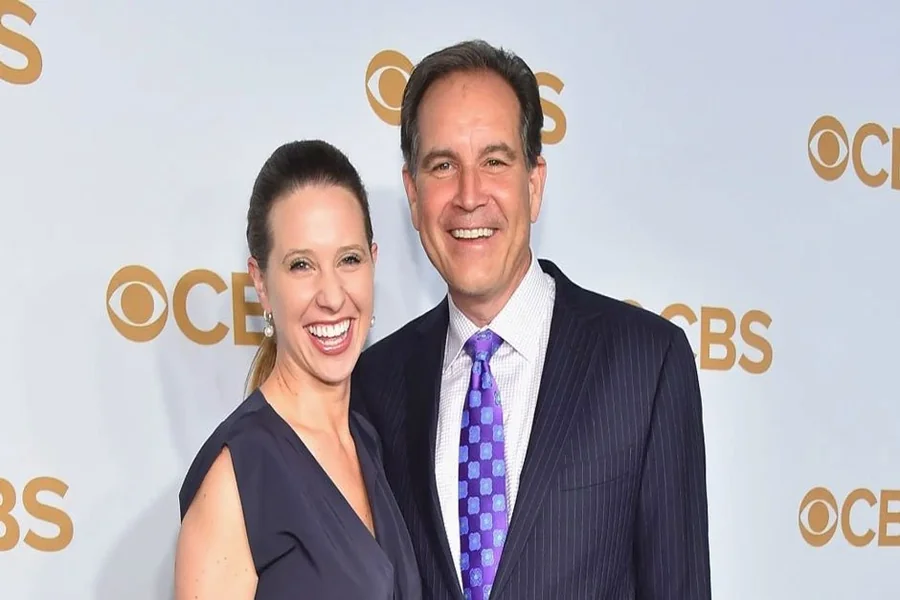
Researching a name like Ann-Lorraine Carlsen presents several methodological challenges, particularly in the fields of genealogy and archival studies. One of the most common issues is the lack of consistent or comprehensive documentation. Many historical records were created for administrative purposes rather than biographical storytelling, meaning they often omit personal details that would help establish identity with certainty. This creates gaps that researchers must attempt to fill through cross-referencing and contextual analysis.
Genealogical research into names like Ann-Lorraine Carlsen often involves tracing family connections, geographic patterns, and historical timelines. However, without clear distinguishing information, it can be difficult to determine lineage or relational context. This is especially true when records span multiple generations or when naming conventions vary across cultures and time periods. As a result, researchers must rely on indirect evidence and pattern recognition to build plausible connections.
Another major challenge is the reliability of digitized archives. While digital databases have made access to historical information easier, they have also introduced errors through transcription, scanning, and indexing processes. These errors can lead to duplicated entries or misclassified records, further complicating research efforts. In the case of Ann-Lorraine Carlsen, such limitations highlight the importance of careful verification and responsible interpretation of available data.
5. Conclusion
The study of Ann-Lorraine Carlsen illustrates how individuals can exist within public records and archival systems without having extensive biographical documentation. While the available information may be limited, the presence of the name in structured data sources reflects its place within broader administrative and historical frameworks. This makes it an example of how identity can be recorded without being widely publicized or documented in narrative form.
Understanding such cases requires a balanced approach that respects both the limitations of available data and the importance of accurate interpretation. Researchers must avoid assumptions and instead rely on verified records and cross-referenced information. In doing so, they can better understand how names like Ann-Lorraine Carlsen fit into larger systems of documentation and historical recordkeeping.
Ultimately, the topic highlights the broader reality that not all individuals have extensive public footprints, yet their names still contribute to the complex ecosystem of archival information. This underscores the importance of careful research practices and thoughtful analysis when working with incomplete or fragmented data.
FAQs on Ann-Lorraine Carlsen
1. Who is Ann-Lorraine Carlsen and what is her background?
Ann-Lorraine Carlsen is a name that appears in certain public or archival records, but detailed verified biographical information is limited, making her background largely dependent on record-based references.
2. Why is Ann-Lorraine Carlsen searched online?
The name is often searched due to appearances in public databases, genealogical research, or historical records where individuals try to trace identity or family history.
3. Is Ann-Lorraine Carlsen a public figure or celebrity?
There is no widely verified evidence that Ann-Lorraine Carlsen is a public figure or celebrity; most references appear to be administrative or archival in nature.
4. Where can information about Ann-Lorraine Carlsen be found?
Information is typically found in public records, historical archives, or genealogical databases, though details may be limited or fragmented.
5. Why is it difficult to find detailed information about her?
It is difficult because many individuals appear in records without extensive public documentation, and available data may be incomplete, inconsistent, or purely administrative in nature.