The search term “Peter Orszag bald” has gained unexpected popularity across the internet, driven largely by curiosity about the appearance of one of America’s most recognizable economists and financial executives. Peter Orszag, who has served in major government roles and now leads a global financial institution, is frequently seen in interviews, conferences, and media appearances. As a result, even small changes in his look—especially his hair—become noticeable to audiences. This kind of attention is common for public figures who appear regularly in high-definition media, where lighting, angles, and grooming can dramatically influence perception.
In Orszag’s case, the discussion is not about a transformation in identity but rather about how people interpret visual information. Over time, internet users began comparing older photographs from his early career in government with more recent appearances in the private sector. These comparisons sparked speculation about whether he is fully bald, experiencing hair thinning, or using hair styling techniques that alter perception. However, such discussions often overlook the broader context of aging, genetics, and professional styling standards.
At its core, the “Peter Orszag bald” trend reflects a larger internet behavior: the tendency to focus on physical traits of public figures rather than their achievements. While his appearance may attract search interest, his real significance lies in his decades-long career in economic policy, fiscal management, and financial leadership. The curiosity surrounding his hair is ultimately a side narrative to a much more influential professional legacy.
Who Is Peter Orszag? Career, Education, and Public Influence
Peter Orszag is a highly respected economist, policy advisor, and corporate executive whose career spans government, academia, and global finance. He is best known for serving as the Director of the Congressional Budget Office (CBO) and later as the Director of the Office of Management and Budget (OMB) under President Barack Obama. In these roles, he played a central part in shaping fiscal policy during one of the most challenging economic periods in recent U.S. history. His work included budget planning, healthcare reform analysis, and long-term economic strategy.
Before entering government leadership, Orszag built a strong academic foundation in economics. He studied at Princeton University, followed by advanced studies at the London School of Economics and a doctorate in economics. This rigorous academic background positioned him as one of the leading policy economists of his generation. His early career included research roles and contributions to influential think tanks, where he developed expertise in healthcare economics and public finance.
After his public service career, Orszag transitioned into the private sector, where he became a senior executive in global finance. He eventually rose to become CEO and Chairman of Lazard, a major financial advisory firm. In this role, he oversees global strategy, mergers and acquisitions advisory, and long-term growth initiatives. His ability to move between government and high finance has made him a rare figure in both policy and corporate leadership circles.
Despite public curiosity about his appearance, Orszag’s reputation is built on intellectual influence, not image. His career reflects decades of work in economic decision-making at the highest levels, shaping both national policy and global financial strategy.
The Origin of the “Bald” Discussion and Online Speculation
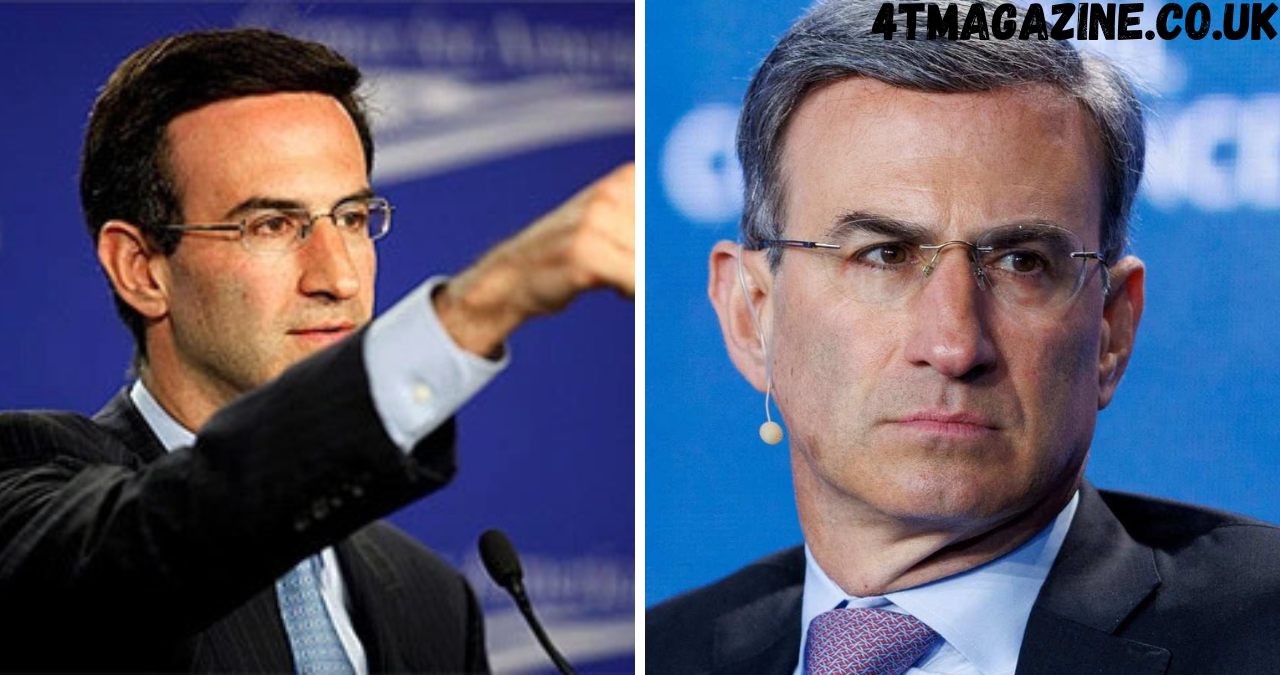
The conversation around Peter Orszag’s hair did not emerge from any official statement or public controversy. Instead, it developed organically from online comparisons of his appearance over time. In earlier stages of his career, particularly during his government service, Orszag appeared with fuller hair under controlled studio lighting. In more recent years, however, his hair appears thinner and more naturally aged in candid business settings and interviews.
This difference in appearance led internet users to question whether the change was due to natural aging, styling choices, or even cosmetic intervention. Some online discussions also introduced speculation about wigs or hairpieces, although no credible evidence supports such claims. Most reliable analyses point to typical male pattern hair thinning, a common condition affecting many men in middle age and beyond.
It is also important to understand how media environments influence perception. Television studios often use soft, controlled lighting that can make hair appear denser. In contrast, real-world business events, outdoor photography, and high-angle cameras can reveal more scalp visibility. These variations can create the illusion of rapid or dramatic change, even when hair loss is gradual and natural.
Ultimately, the “bald” narrative is less about Orszag himself and more about how audiences interpret visual information in a digital age where images are constantly circulated and compared.
Hair Loss, Aging, and Public Perception in High-Profile Figures
Hair loss is a natural biological process that affects a significant percentage of men, particularly with age. In the case of Peter Orszag, observable changes in hair density and hairline position are consistent with typical male pattern baldness progression. This condition is influenced by genetics, hormones, and aging, and it varies widely from person to person.
Public figures often experience amplified attention to these natural changes because their images are widely distributed and repeatedly analyzed. Unlike private individuals, their appearance is constantly captured in photographs, videos, and televised interviews. As a result, even subtle changes in hair volume or styling become topics of discussion.
Another important factor is grooming style. Orszag maintains a conservative, professional appearance typical of senior executives and policy leaders. His hairstyle is generally short, neat, and understated, which aligns with the expectations of financial and political environments. This style can sometimes make thinning areas more visible under certain lighting conditions, further fueling speculation.
Despite online discussions, there is no verified evidence suggesting artificial hair systems or dramatic cosmetic procedures. Most observations align with gradual, age-related changes rather than sudden transformation. In reality, his appearance reflects a common pattern seen in many professionals of similar age and background.
Internet Culture and Why Appearance-Based Searches Go Viral
The popularity of the keyword “Peter Orszag bald” highlights a broader trend in internet culture: the fascination with the personal appearance of public figures. Search engines often amplify such curiosity by suggesting related queries, which reinforces user interest over time. Once a topic begins trending, it can persist regardless of its actual importance.
Social media platforms also contribute to this cycle. Users frequently share images, memes, or comparisons that emphasize visual differences, even when those differences are minor or context-dependent. This creates a feedback loop where speculation generates more content, which in turn increases search visibility.
In Orszag’s case, his high-profile roles in government and finance make him more visible than most executives, increasing the likelihood of public scrutiny. However, the attention paid to his hair stands in contrast to the complexity of his professional contributions, which include economic policy design, fiscal strategy, and corporate leadership at a global scale.
The broader lesson is that internet culture often prioritizes visual curiosity over substantive achievement. While appearance-based searches may be common, they rarely reflect the most meaningful aspects of a person’s career or influence.
Conclusion
The phrase “Peter Orszag bald” represents a small but persistent internet curiosity rather than a defining aspect of his identity. Observations of his hair over time align with natural aging and typical male pattern hair thinning, a common experience among men in their 50s and beyond. There is no credible evidence supporting claims of artificial enhancement or dramatic change.
More importantly, focusing solely on appearance overlooks the significance of Orszag’s professional achievements. His career spans influential roles in economic policy, government budgeting, and global financial leadership. From shaping fiscal decisions in the U.S. government to guiding major financial institutions, his impact is substantial and far-reaching.
In the end, the discussion about his hair is less about fact and more about perception. It reflects how public figures are viewed in the digital age, where images are constantly analyzed and reinterpreted. However, his legacy is defined not by appearance, but by decades of meaningful contributions to economics and global finance.
FAQs
1. Is Peter Orszag bald or does he have hair thinning?
Peter Orszag is not completely bald; he appears to experience natural Peter Orszag baldness and hair thinning consistent with male pattern aging.
2. What causes Peter Orszag bald appearance in public photos?
The “Peter Orszag bald” look is often influenced by lighting, camera angles, and natural age-related hair thinning.
3. Does Peter Orszag wear a wig or hairpiece?
There is no verified evidence that Peter Orszag uses a wig or hair replacement system despite online speculation.
4. Has Peter Orszag’s hair changed over time?
Yes, his hair has gradually changed with age, showing reduced density typical of Peter Orszag hair loss progression.
5. Why is “Peter Orszag bald” a trending search term?
It trends due to public curiosity, image comparisons, and internet culture focusing on appearance of well-known figures.