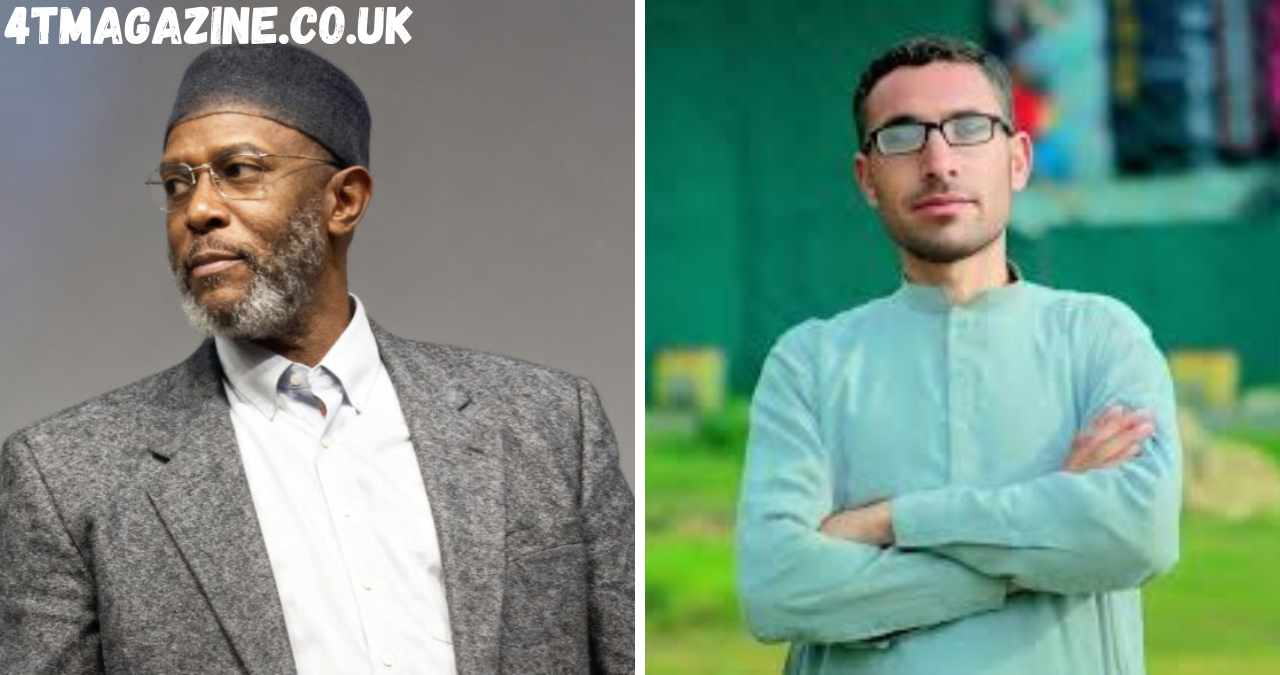
Shamsud Din Ali is a name that appears across multiple historical, religious, and modern contexts, making it essential to approach it with clarity and careful interpretation. Rather than referring to a single universally documented individual, the name is associated with different figures across time, geography, and social roles. In Islamic naming traditions, “Shamsud Din” is a common honorific meaning “Sun of the Religion,” often paired with names like Ali, which further increases the possibility of multiple unrelated individuals sharing the same name.
In contemporary discussions, one of the most widely referenced individuals linked to this name is Shamsud-Din Ali, a controversial figure from Philadelphia known for his complex transformation from criminal involvement to religious and community leadership. Historical records and modern commentary often mix multiple identities, which creates confusion for researchers, journalists, and readers trying to understand the true background of the name. This makes Shamsud Din Ali not just a biography topic but also a case study in identity ambiguity within Islamic and diaspora naming systems.
The importance of studying this name lies in understanding how history, religion, and modern narratives intersect. Figures bearing similar names may represent scholars, political actors, or individuals involved in community movements, each contributing differently to Islamic cultural history. Therefore, analyzing Shamsud Din Ali requires separating fact from overlapping narratives and recognizing the broader cultural significance behind the name itself.
Etymology and Cultural Meaning of Shamsud Din Ali
The name “Shamsud Din Ali” carries deep linguistic and spiritual meaning rooted in Arabic-Islamic tradition. “Shamsud Din” translates to “Sun of the Religion,” symbolizing enlightenment, guidance, and spiritual illumination within Islam. The second component, “Ali,” is one of the most respected names in Islamic culture, associated with nobility, strength, and the fourth caliph of Islam, Ali ibn Abi Talib. When combined, the name represents a powerful symbolic identity often used by scholars, Sufi leaders, and religious reformers.
Across Muslim-majority societies, compound names like Shamsud Din Ali are not unique identifiers but rather honorific constructions. This has led to the widespread appearance of similar names across centuries in South Asia, the Middle East, and parts of Africa. As a result, historical documentation often records multiple individuals with nearly identical names, making accurate identification challenging without contextual details such as region, time period, or profession.
Additionally, transliteration differences contribute to variations such as Shamsuddin Ali, Shams-ud-Din Ali, or Shams al-Din Ali. These variations appear in historical manuscripts, colonial records, and modern databases, often referring to entirely different individuals. This linguistic diversity highlights the importance of careful interpretation when researching Islamic historical figures, as names alone cannot reliably define identity without supporting historical context.
Historical and Religious Figures Associated with the Name
Throughout Islamic history, names similar to Shamsud Din Ali have been held by scholars, Sufi saints, rulers, and religious leaders. In medieval Islamic societies, such names were commonly adopted by individuals seeking to express devotion and religious identity. For example, records from different Islamic dynasties show leaders and administrators bearing names that combine spiritual honorifics with personal names, reflecting both religious and political authority.
In Sufi traditions, names like Shamsud Din often indicate spiritual enlightenment and mentorship roles within Islamic mysticism. Many Sufi saints carried similar titles, symbolizing their perceived closeness to divine knowledge and their role in guiding followers toward spiritual growth. These individuals frequently influenced regional Islamic practices, contributed to religious literature, and shaped community values across generations.
However, historical documentation is often fragmented, and many individuals with similar names are difficult to distinguish. Manuscripts copied over centuries, combined with oral storytelling traditions, sometimes merge identities or attribute achievements to the wrong figures. This has led to ongoing scholarly debate about certain historical references, where “Shamsud Din Ali” may represent more than one person depending on the source being studied.
Modern Figure: Shamsud-Din Ali and Community Influence
In modern context, one widely discussed figure associated with the name is Shamsud-Din Ali of Philadelphia, whose life reflects both controversy and transformation. According to historical reporting, he was born as Clarence Fowler and later adopted the name Shamsud Din Ali after a period of incarceration and legal challenges. His early life included criminal convictions, including involvement in violent crime, which significantly shaped his public image.
Following his release from prison, he became a prominent figure in Philadelphia’s Muslim community, particularly through his leadership role at a local mosque. His transformation from convicted criminal to community leader has been described as both controversial and symbolic, depending on perspective. Supporters viewed his journey as one of rehabilitation and spiritual change, while critics pointed to ongoing allegations and connections to illicit activities during his leadership period.
Despite controversy, his presence in the community had a significant impact on religious organization and social dynamics within certain urban Islamic groups. His life story is frequently referenced in discussions about redemption, leadership accountability, and the intersection between religion and social reform. The complexity of his narrative demonstrates how individual identity can evolve dramatically over time, especially within marginalized or highly politicized environments.
Confusion, Misidentification, and Historical Complexity
One of the major challenges in studying Shamsud Din Ali is the widespread confusion caused by name duplication and inconsistent historical documentation. Because the name follows traditional Islamic naming patterns, it appears in multiple unrelated historical records, making it difficult to determine whether references describe the same individual or entirely different people.
This confusion is amplified in digital databases and online discussions, where information from different centuries and regions is sometimes merged incorrectly. As a result, readers may encounter contradictory accounts that mix religious scholars, political leaders, and modern figures under the same name. Without careful analysis of context such as dates, geography, and occupation, misidentification becomes highly likely.
Historians emphasize the importance of critical verification when studying such names. Proper identification requires cross-referencing multiple sources and understanding the cultural context in which the name was used. This is especially important in Islamic history, where honorific naming conventions are common and frequently repeated across generations.
Conclusion
Shamsud Din Ali represents more than a single historical identity; it reflects the complexity of Islamic naming traditions, cultural history, and modern interpretation. Whether referring to historical scholars, Sufi figures, or contemporary individuals, the name carries layers of meaning shaped by religion, geography, and personal transformation.
The most important takeaway is that names alone are insufficient for accurate historical identification. Understanding figures like Shamsud Din Ali requires careful analysis of context, supporting evidence, and cultural background. His narrative—especially in modern references—also highlights themes of redemption, controversy, and community influence within Islamic society.
Ultimately, Shamsud Din Ali serves as a reminder of how history and identity can intertwine in complex ways, requiring thoughtful interpretation rather than simplistic conclusions.
FAQs
1. Who is Shamsud Din Ali in Islamic history?
Shamsud Din Ali refers to multiple individuals across Islamic history, including scholars and religious leaders, rather than a single confirmed historical figure.
2. What is the meaning of Shamsud Din Ali in Islamic culture?
The name combines “Shamsud Din” (Sun of the Religion) and “Ali,” symbolizing spiritual enlightenment and noble character in Islamic tradition.
3. Why is Shamsud Din Ali a controversial name in modern discussions?
Modern references, especially in Philadelphia, associate the name with a figure who had both criminal history and later religious leadership, creating debate.
4. Are there multiple people named Shamsud Din Ali?
Yes, due to Islamic naming traditions, multiple unrelated individuals across history share similar names.
5. How should researchers study Shamsud Din Ali accurately?
Researchers should use historical context, verified records, and geographic or chronological data to avoid misidentification.